
As we begin to explore your story, you may discover that familiar relationship dynamics are showing up at work, in friendships, within your family, or in romantic relationships. Understanding those connections is often the first step toward making healthier choices, living more intentionally, and creating the life you want.
Approach
Effective therapy helps clients transform the way they relate to themselves and others. As they gain a deeper understanding of who they are, they're better able to make healthier choices in their relationships and everyday lives.
Together, we'll explore the relationships and significant moments that have shaped the way you see yourself, relate to others, view the world, and respond to life's challenges. As those patterns become clearer, you'll be better able to make healthier choices that lead to more satisfying relationships and a more fulfilling life.
The work we do together doesn't end when the session is over. Rather, it begins as you put what you've learned into practice. Lasting change happens through the choices you make each day—one conversation, one decision, and one relationship at a time.
When Life Feels More Difficult
Life doesn't always become more difficult all at once. Sometimes it happens gradually, until one day you realize you're carrying more than you can comfortably manage. Perhaps you're navigating a major life transition. Or maybe you're beginning to wonder why the same patterns continue to show up—in your relationships, at work, or in the way you see yourself.
Are you ready to stop simply getting through each day and begin understanding what's driving those recurring patterns?
For many people, the answer lies in early experiences that are easy to overlook because they didn't seem significant at the time.
Unlike emotional or physical abuse, childhood emotional neglect is often defined by what didn't happen rather than what did. A child's thoughts, feelings, and emotional needs may have been overlooked, dismissed, or unsupported. Because there are often no obvious events to point to, many people grow up believing their childhood was "fine," even while carrying the lasting impact of what was missing.
Together, we'll make sense of how those early experiences continue to influence the way you see yourself, relate to others, view the world, and respond to life's challenges. As you begin to recognize those patterns, you'll be better able to make healthier choices, build more satisfying relationships, and create the kind of life you've been longing for.
Meaningful Change is Possible
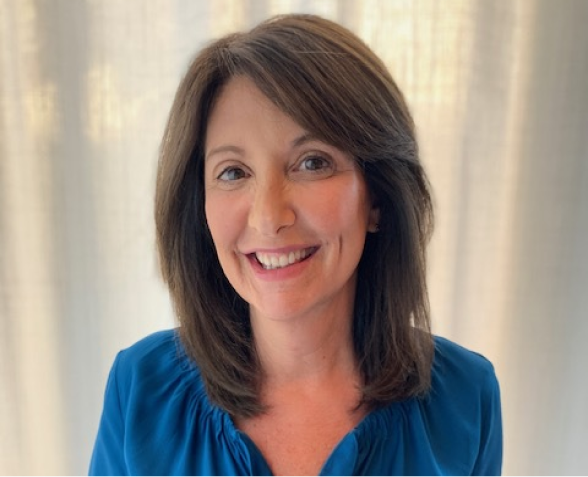
Meet Robyn
Over the years, I've learned that people rarely behave the way they do without reason. Behaviors that may seem confusing—even to you—often become understandable when viewed in the context of your early relationships and life experiences. I begin by listening deeply, seeking to make sense of how those experiences have shaped the way you see yourself, relate to others, and navigate the world.
You'll be heard, understood, respected, and thoughtfully encouraged to consider new perspectives, make healthier choices, and relate to yourself and others in more satisfying ways.
I believe therapy should do more than provide insight. It should help you respond differently, behave differently, and ultimately live differently. As your insight grows and new ways of thinking and relating are put into practice, you'll begin making healthier choices, building more satisfying relationships, and creating a life that feels more authentic, fulfilling, and aligned with the person you want to become.
My experience as both a Licensed Marriage and Family Therapist and Registered Nurse has reinforced my belief that emotional and physical well-being are deeply interconnected. Those years have strengthened my clinical judgment, deepened my compassion, and affirmed the importance of seeing the whole person—not simply the problems that bring someone to therapy.
If what you've read resonates with you, I'd welcome the opportunity to learn more about you, listen to what's bringing you to therapy now, and explore whether we're the right fit.
Understanding Attachment Science
Attachment Science helps explain why the same relationship patterns often repeat throughout your life. Your earliest relationships shape the way you see yourself, what you have come to believe about yourself, what you have come to expect from others, and how you respond in relationships with family, friends, romantic partners, and even colleagues. Because these patterns develop early in life, they often continue into adulthood outside of your awareness. As you begin to recognize them, you'll become better able to make healthier choices, build more satisfying relationships, and respond in ways that better reflect the person you want to be and the life you want to create.
Understanding Somatic Experiencing®
Understanding why you think, feel, and relate the way you do is an important part of therapy, but insight alone isn't always enough to create meaningful change.
Somatic Experiencing® recognizes that trauma and chronic stress affect both the mind and the body. For that reason, healing begins with the body. This gentle, body-oriented approach helps you develop greater awareness of your physical sensations, allowing you to gradually experience a greater sense of safety and regulation. As that happens, it often becomes easier to explore difficult thoughts, emotions, and memories without becoming overwhelmed.
You'll develop practical skills that you can continue using long after each session ends, helping you feel more grounded and regulate your nervous system more effectively over time. The work we do together doesn't end when the session is over. Rather, it continues as you put what you've learned into practice in your everyday life.
Depending on your unique needs and therapeutic goals, I may incorporate mindfulness, meditation, journaling, physical activity, restorative sleep, proper nutrition, and meaningful social connection. Together, these evidence-informed practices support nervous system regulation, strengthen resilience, and help you integrate what you're learning in therapy into your everyday life.
Working Together
My practice is conducted entirely through secure, HIPAA-compliant video sessions, allowing me to work with adults throughout California. Telehealth offers the convenience of participating in therapy from the privacy and comfort of your home, office, or another confidential location using your computer, tablet, or smartphone.
Research has consistently shown that telehealth is as effective as in-person therapy for developing a strong therapeutic relationship and achieving meaningful treatment outcomes. Many clients also appreciate the flexibility of eliminating travel time while participating in therapy from a location that feels comfortable and private.
Professional Fees
Individual Psychotherapy (50 minutes): $175.00
Couples Therapy (60 minutes): $225
Payment is due at the time of service.
I accept Visa, Mastercard, American Express, Health Savings Accounts (HSA), and Flexible Spending Accounts (FSA).
Insurance
I am not in-network with any insurance plans and do not bill insurance companies directly.
If you have a PPO plan with out-of-network benefits, you may be eligible for reimbursement for psychotherapy services. Reimbursement varies depending on your individual plan, so I encourage you to contact your insurance carrier to verify your benefits. Upon request, I'll provide a superbill that you can submit to your insurance company.
Please note that couples therapy is generally not covered by health insurance because relationship concerns alone are typically not considered a covered mental health diagnosis.
Why Choose a Private-Pay Practice?
Choosing a private-pay practice allows our work together to remain focused on your needs rather than the requirements of an insurance company. You and I—not your insurance carrier—determine the focus, frequency, and duration of your treatment.
Many clients value the privacy, flexibility, and individualized care that a private-pay practice provides, allowing us to tailor therapy to your unique needs and goals.
Emergencies
I do not provide emergency services. If you are experiencing a mental health crisis, please call 911 or go to your nearest emergency department immediately.
Schedule a Complimentary Consultation
If you've made it this far, you've already taken an important first step.
Whether you're beginning therapy for the first time or returning after time away, I'd welcome the opportunity to get to know you, understand what's bringing you to therapy, and explore whether we're the right fit.
If what you've read resonates with you, I invite you to schedule a complimentary consultation. Together, we'll discuss your concerns, answer your questions, and decide whether working together feels like the right next step.
Clients' Success Stories
The following success stories reflect the experiences of former clients who generously gave permission to share their words. They appear exactly as they were written.
Good Faith Estimate Notice
Under federal law, you have the right to receive a Good Faith Estimate explaining the expected cost of your mental health care.
If you do not have insurance or choose not to use your insurance, you have the right to receive a Good Faith Estimate for the total expected cost of non-emergency healthcare services, including psychotherapy. You may request a Good Faith Estimate before scheduling services.
If you receive a bill that is at least $400 more than your Good Faith Estimate, you have the right to dispute the bill. Be sure to keep a copy of your Good Faith Estimate for your records.
For more information about your right to receive a Good Faith Estimate, please visit CMS No Surprises Act – Know Your Rights.(opens in new tab)